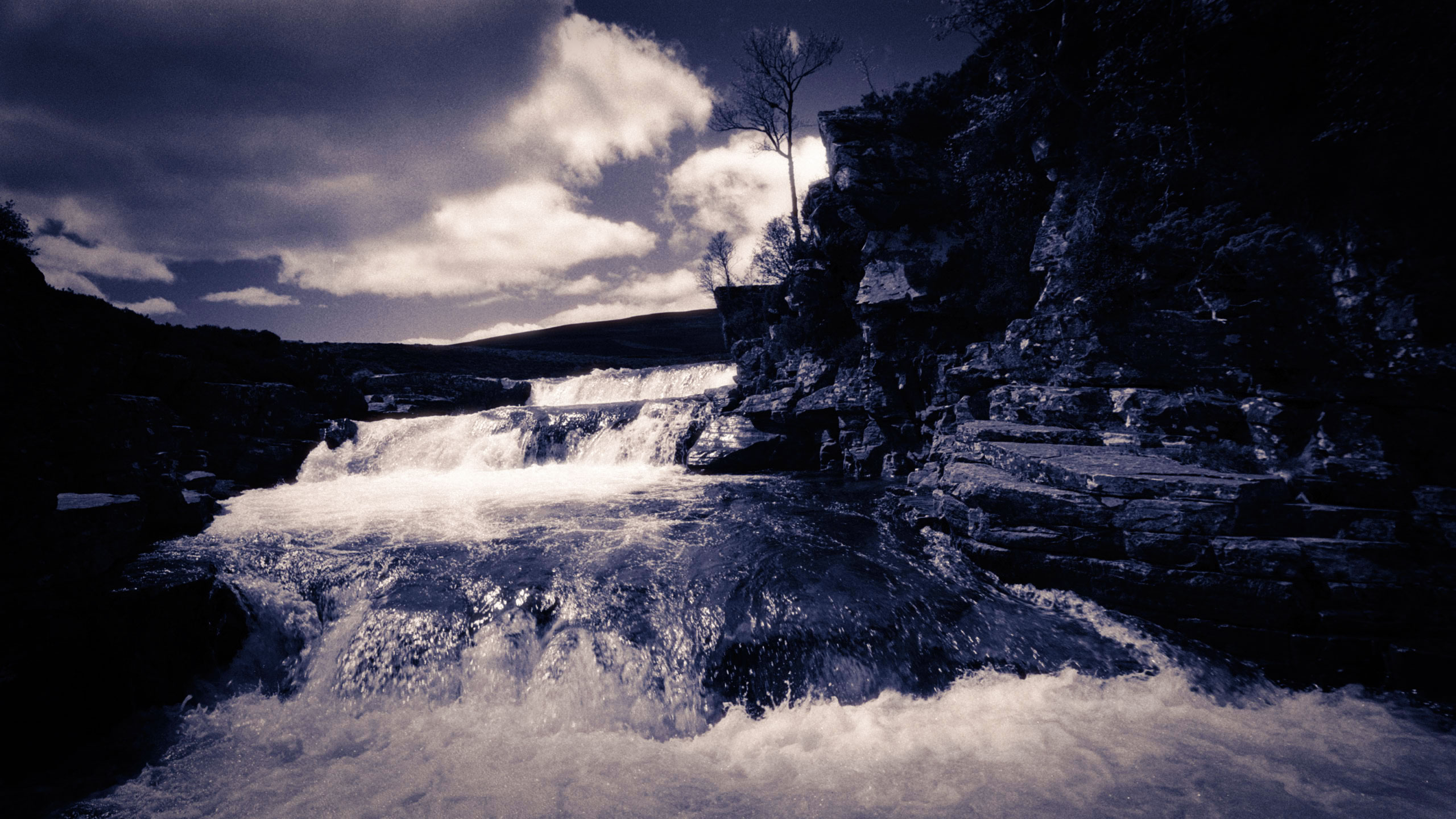
The journey begins not with a trickle, but a roar. At the Linn of Dee, the river—already a muscular, adult thing—is forced through a gneiss-bound constriction, a thirty-foot chasm it has pummelled and scoured into submission. The sound is a bass rumble, a vibration felt in the soles of the boots before it is heard by the ear. To walk to the source from here is to walk backwards in time, against the grain of the water's life, up-country into the high, cold heart of the Cairngorms. We are seeking the origin of Uisge Dhè, the 'Water of God', and the Gaelic name alone transforms the walk from a trek to a pilgrimage, a pressing-in towards an elemental mystery.
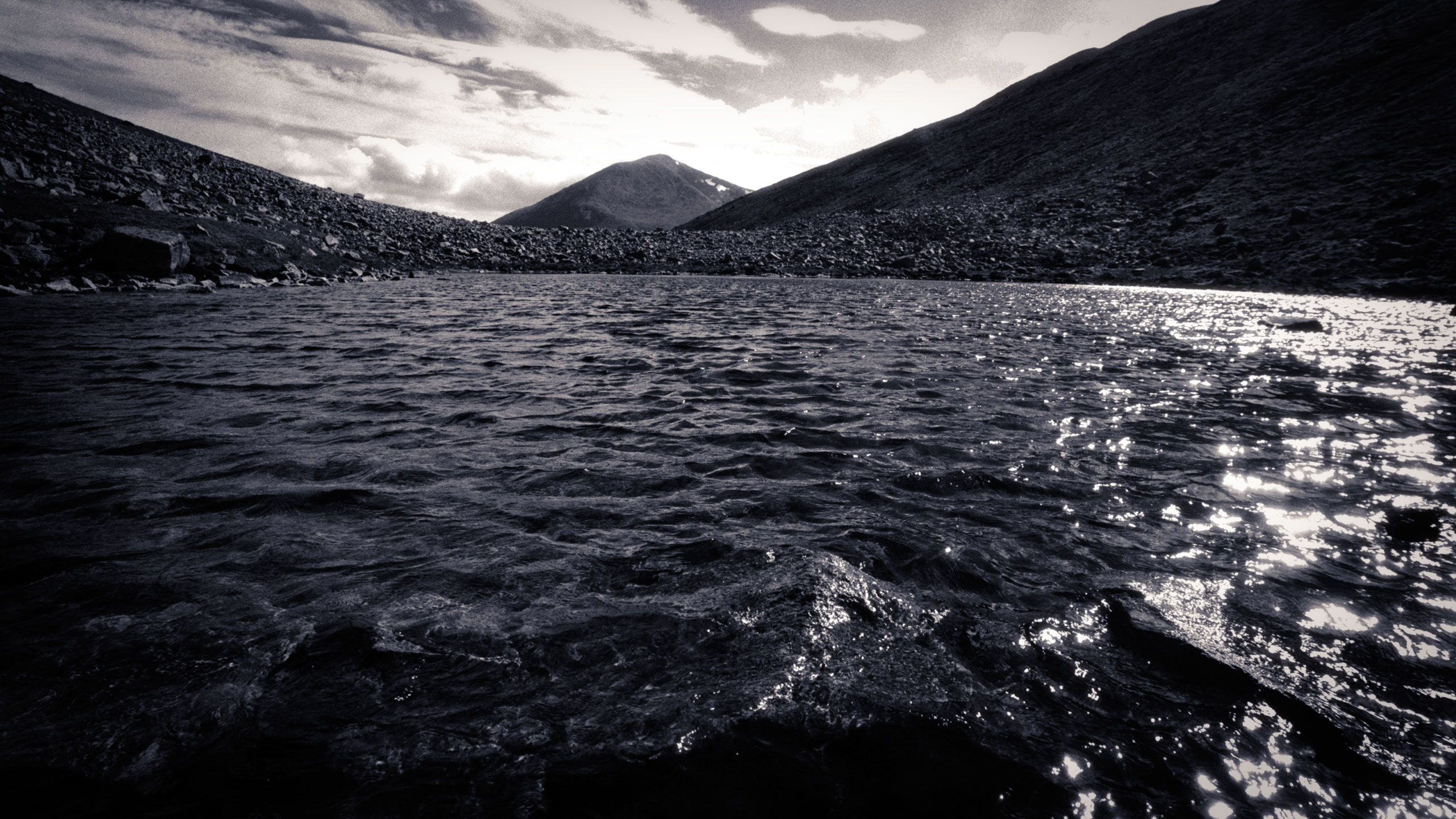
Beyond the forested narrows, the glen opens. The land smooths, temporarily. The path, worn by millennia of drovers and deer, draws you into the vast glacial trench of the Lairig Ghru. Here, the river flattens, idles. It spills into the dark, peat-stained mirror of the Chest of Dee, and then clarifies, brightens, into the series of basins known as the Pools of Dee. These are lochans of impossible, arctic clarity, windows into the granite bed. The water is no longer a torrent, but a presence, a cold gathering of purpose. All around, the bones of the mountain are close: scree-slopes, moraine, the skeletal white of long-dead Scots pines.
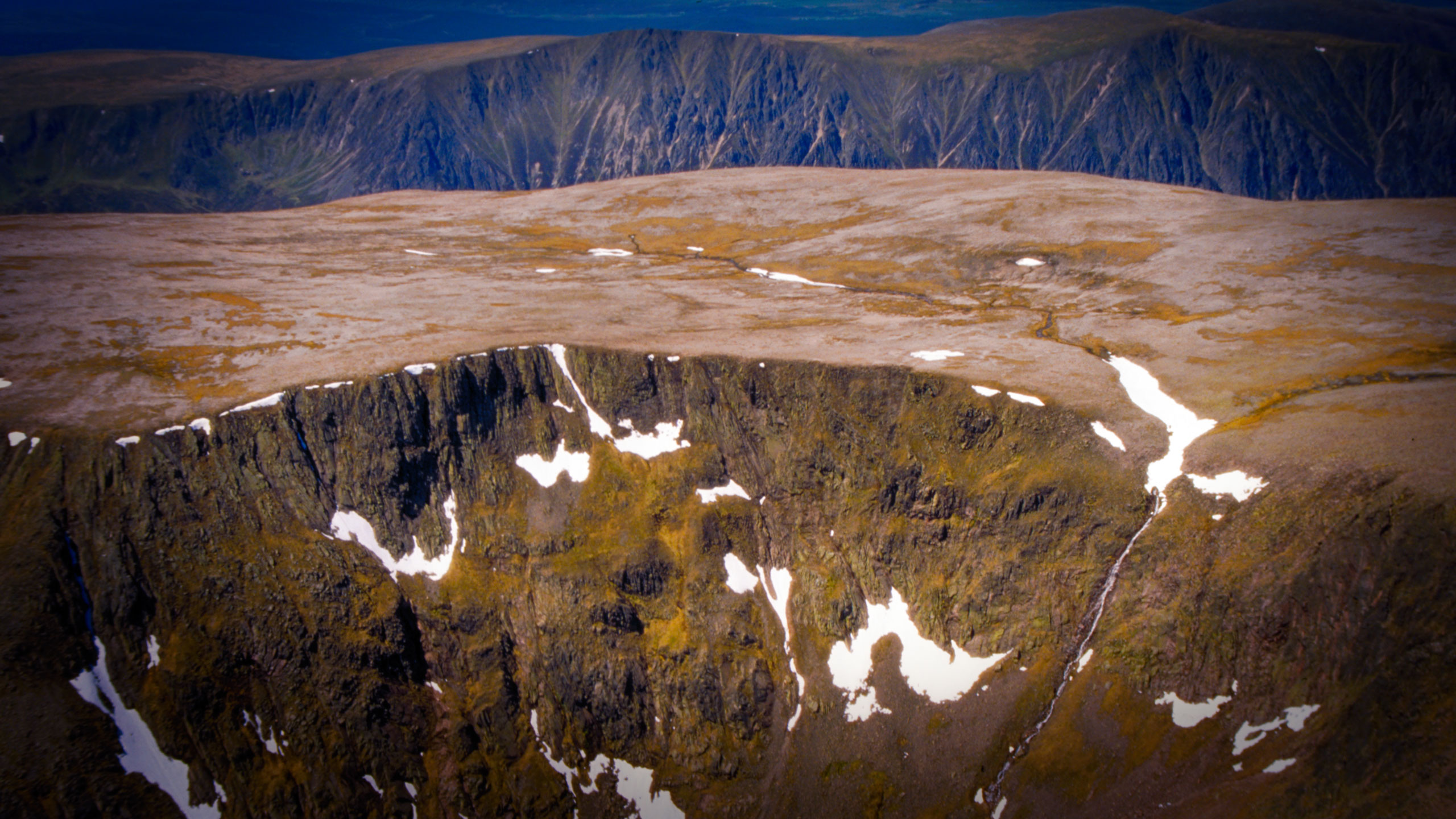
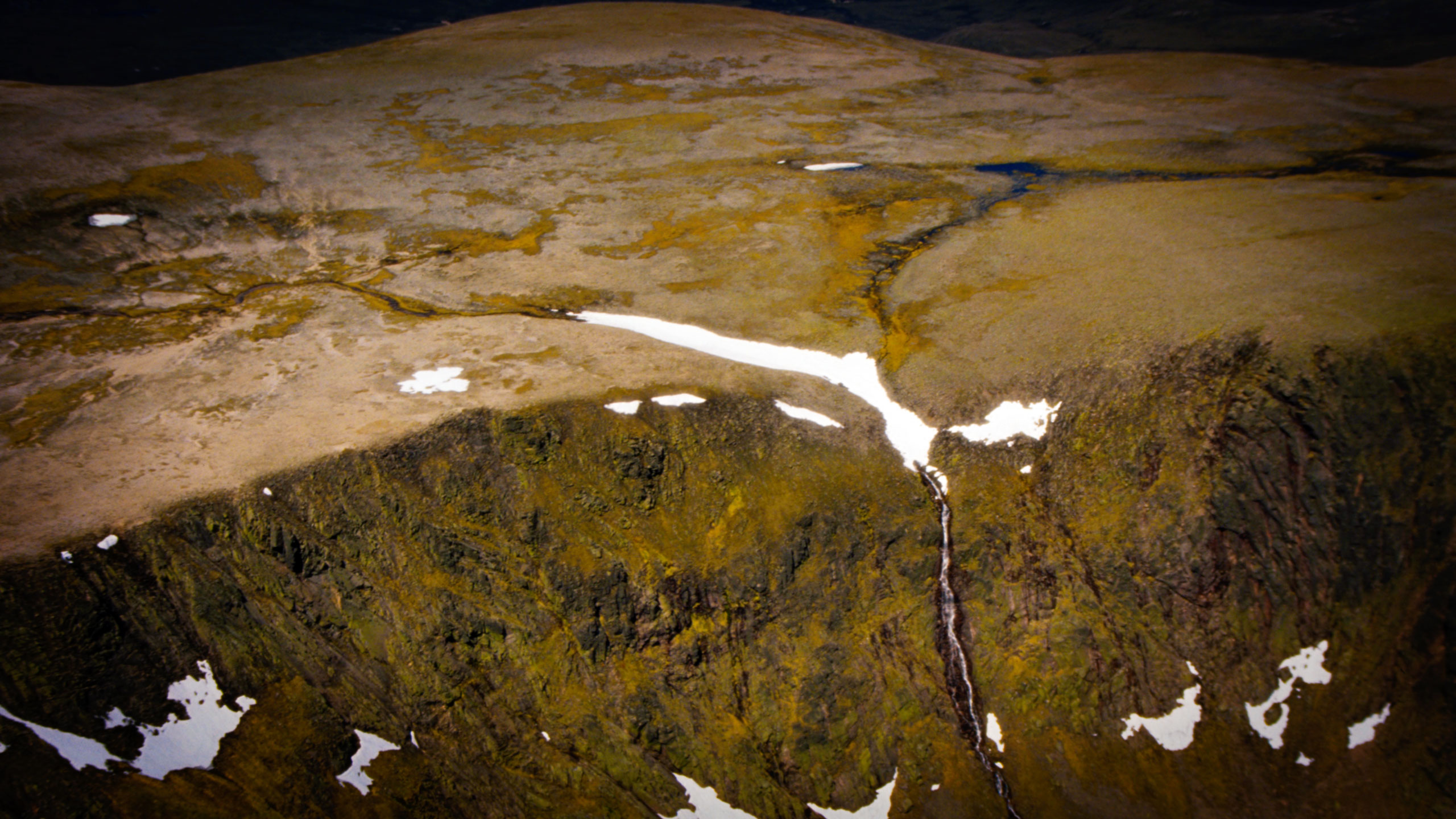
We leave the main trod, turning west to break from the Lairig Ghru and into the arms of Garbh Coire. The name is a promise: the 'rough corrie'. And so it is. The path dissolves underfoot, becoming a negotiation with boulder-fields and soaking sphagnum. The land rears up. This is a place of brutal architecture, a vast, shattered amphitheatre carved by vanished ice, its cliffs looming in shadow. And there, spilling from the high darkness, are the Falls of Dee. Not a single plunge, but a frantic, white staircase of water, a series of cascades finding its way down the black rock. The sound is high and thin now, the river in its infancy, all energy and no weight.
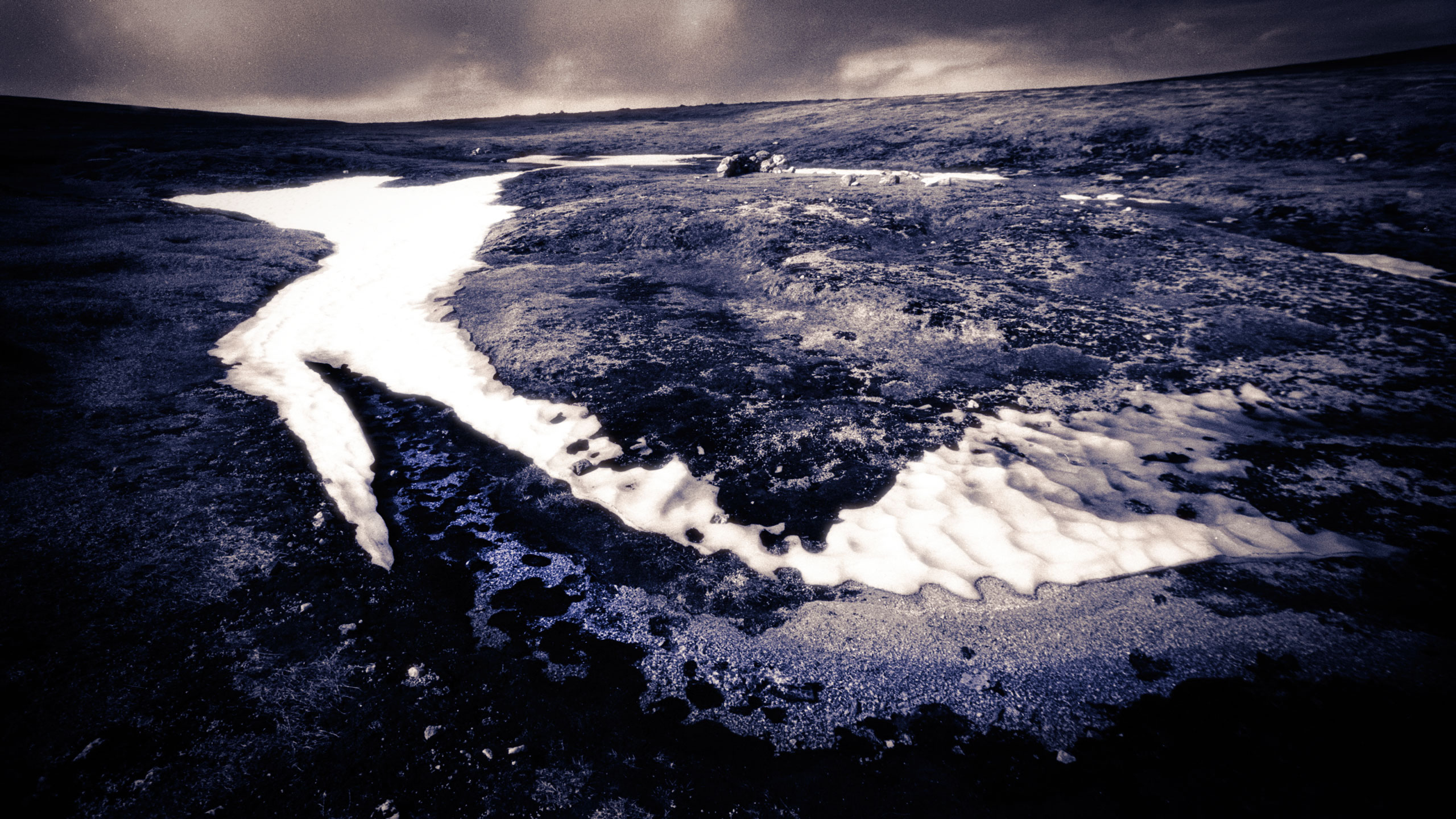
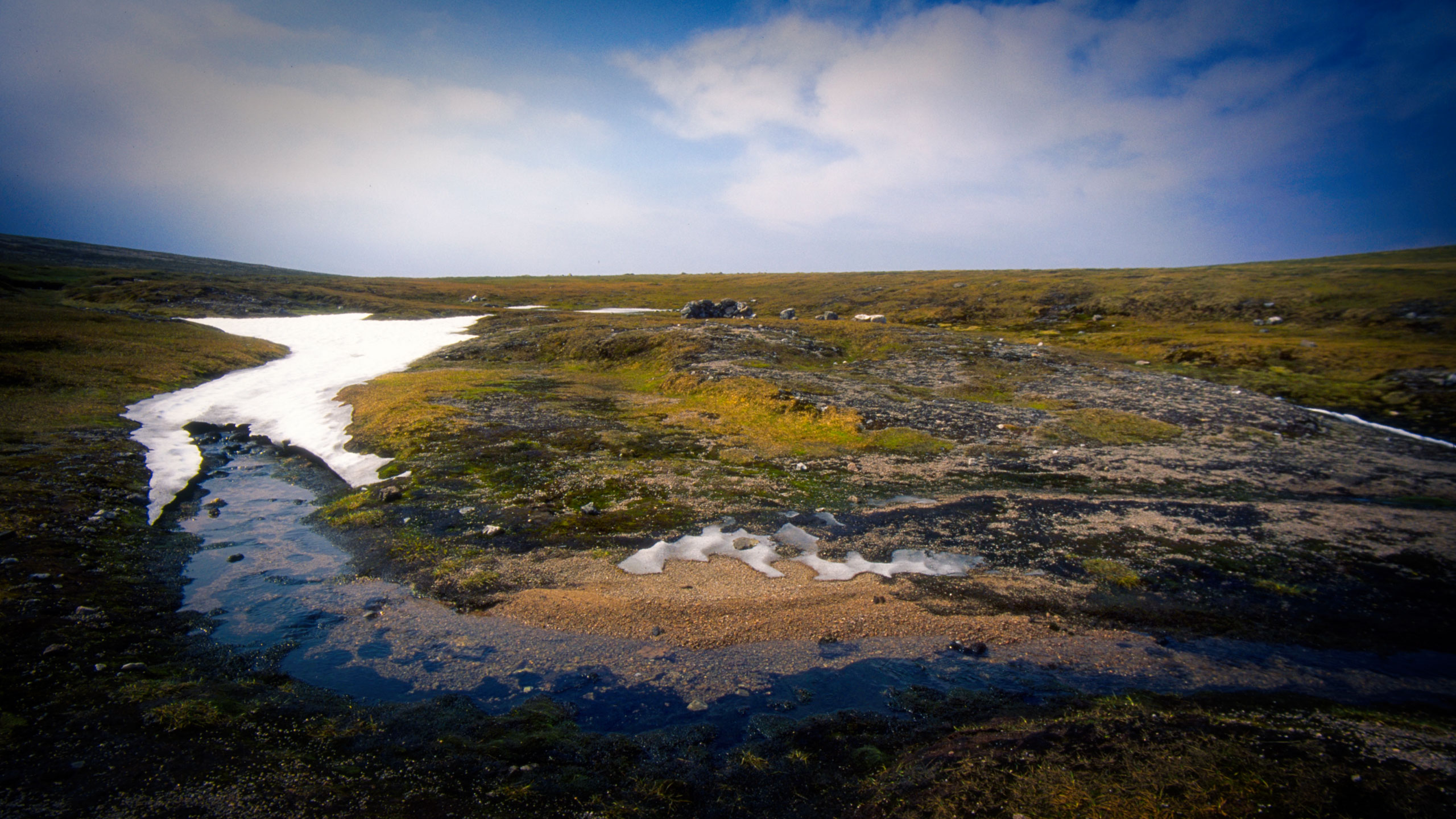
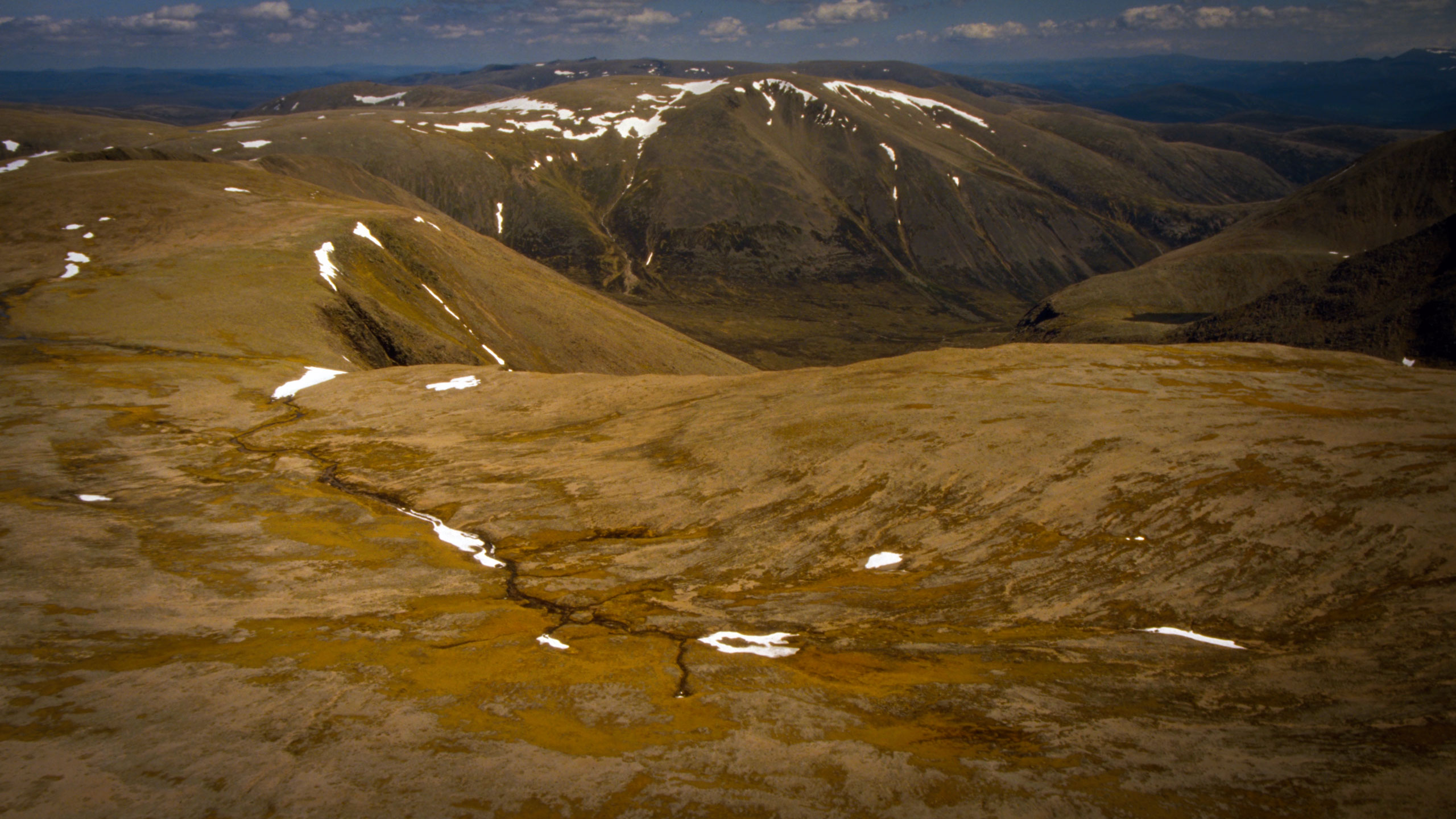
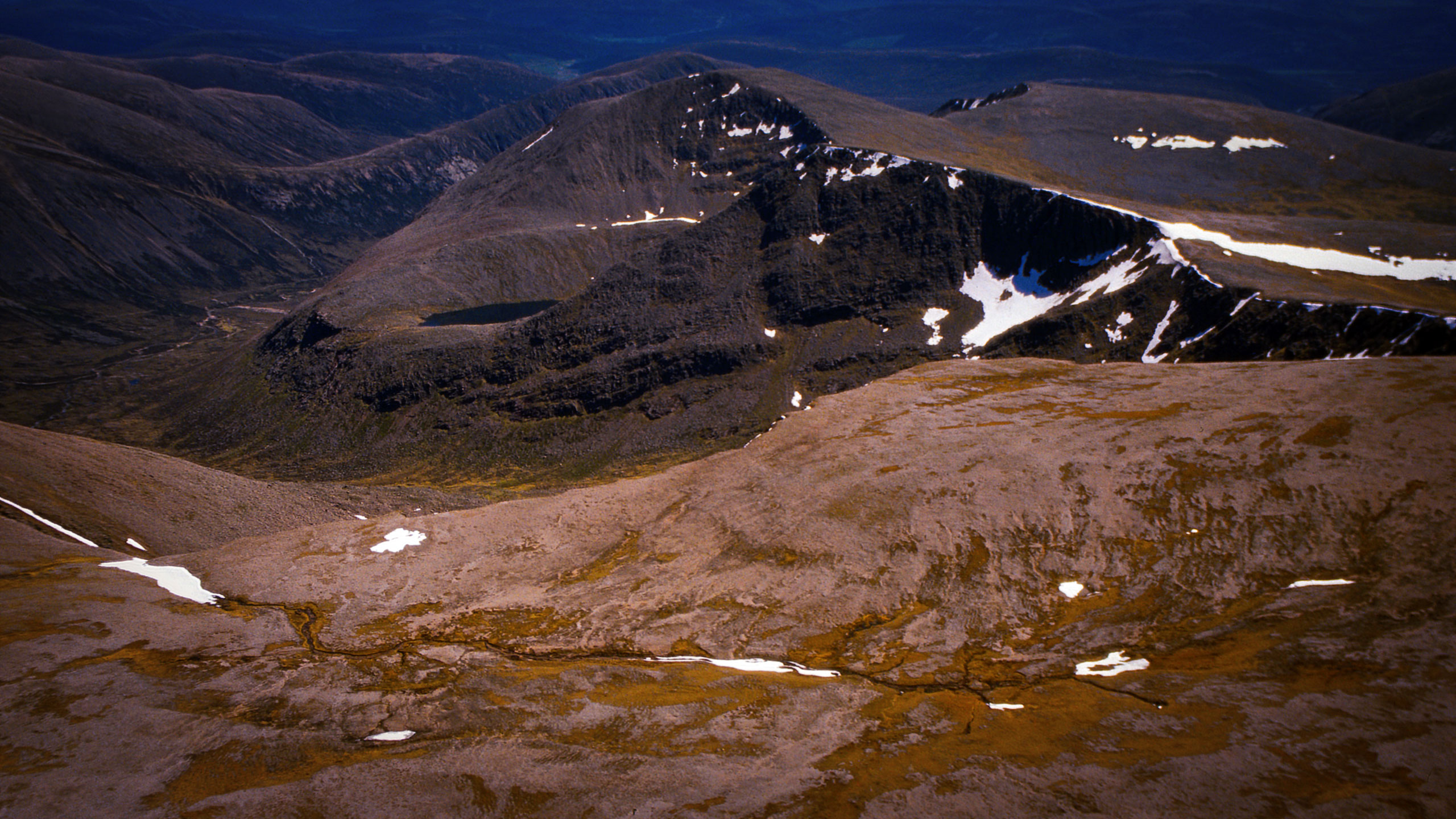
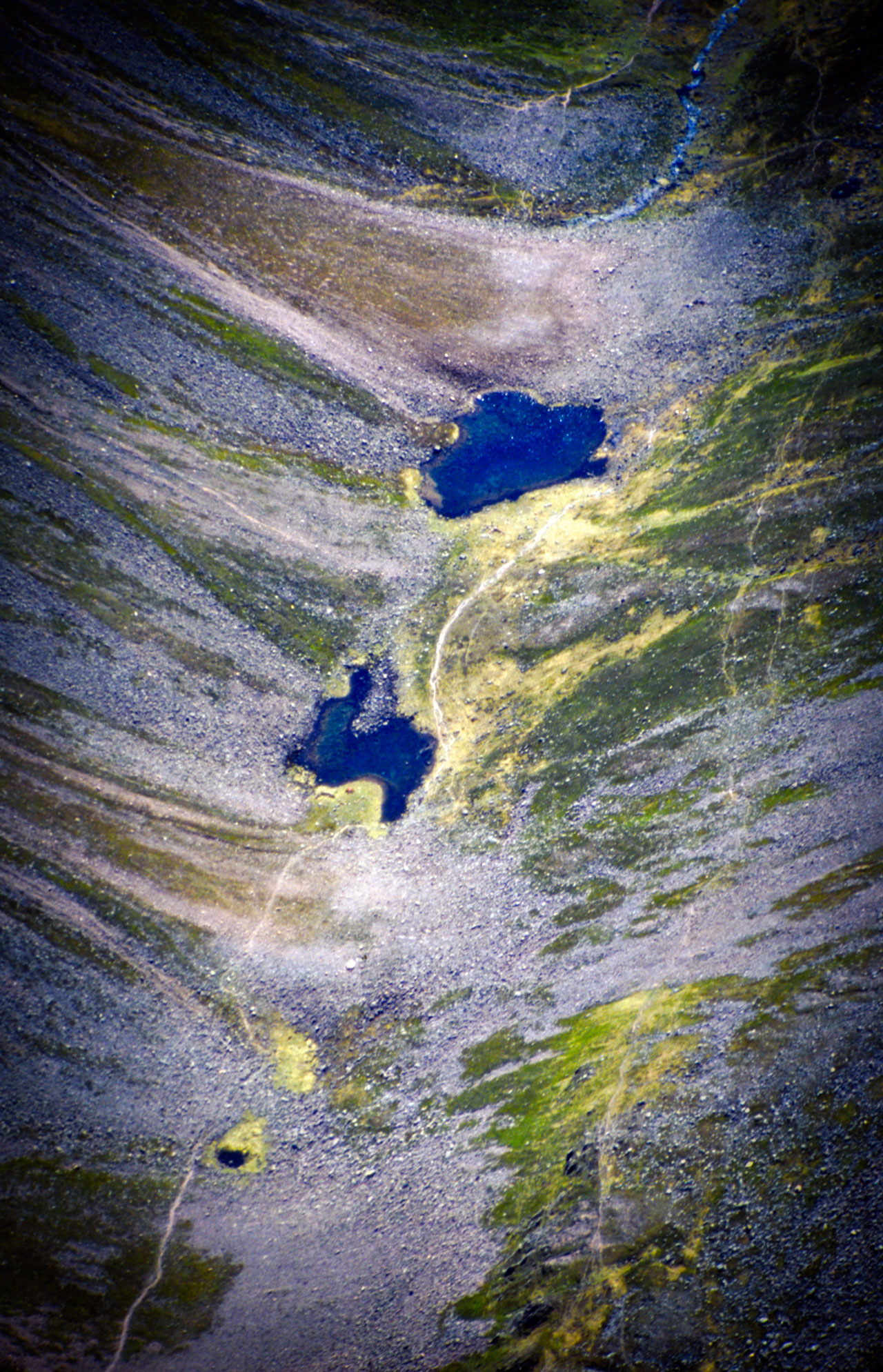
The final act is a scramble, a hand-and-boot climb up the steep, vegetated cliffs that guard the corrie's rim. Lungs burn; fingers grip damp turf and cold, unyielding granite. You haul yourself over the lip, and the world tips open. You are on the plateau of Braeriach, a vast, wind-scoured tundra of shattered rock and low, clinging moss, a place that feels more like sky than earth. There is no grand geyser. The source of the 'Water of God' is a humility. The Wells of Dee are a series of springs, a seepage, a mere dampness in the high, cold ground. The water emerges not with force, but with quiet insistence, born of the cloud and the stone. This is where the Uisge Dhè begins: not as a river, but as a thousand pinpricks of light, a cold blessing gathering itself from the roof of Scotland.


More journal
Living on the Edge
My invitation was to participate in an organisational visioning event as an ‘embedded psychological observer’. My invitation had been courtesy of the organisation's Group Human Resources Director, following a…
ReadBen Hope
To walk up into the dusk is an inversion of the usual order of things. I leave the road late, when others are descending, their faces ruddy with the day’s work. The air by the roadside is thick with the scent…
ReadBe your Self
From a psychological perspective, zombies in this context don't signify something to be feared, but rather a latent aspect of the self that has been suppressed by the pressures of corporate conformity. The…
Watch